To start an iterative design process, I begin from the premise that we must design strategically — centered on satisfying the needs of the end user in the most efficient and attractive way possible. To do this, I need to define the user profiles within the project, focused on the front-end.
Through measurement tools and analytics, we can build a visitor profile that approximates their behavior and relationship with technology.
Three User Profiles
I consistently find three types of user profiles:
The Buyer - Arrives at the site with clear purchase intent - Reviews the status of their orders - High task focus, low tolerance for friction
The Researcher - Arrives through search engines, investigating references and prices - Chats and interacts with sales support to get information - Needs comparison-friendly content and credible data
The Curious - Arrives at the site just to explore — often through social networks - No immediate purchase intent, high potential for future conversion - Responds to discovery and visual appeal
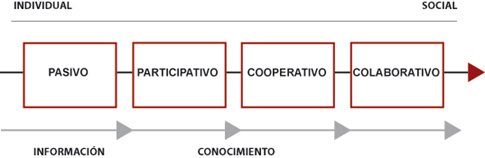
From Individual to Social
Within the usability process I mapped out, I want to move from the individual to the socialization of our business plan — diffusing, sharing, and exchanging recommendations, browsing habits, opinions, comments, and specifications.
This leads to the next phase of planning: defining red routes — identifying and prioritizing the critical paths users must complete successfully.
The goal is to focus the project on the client, starting from interaction and user experience development: creating personas, identifying their objectives, and defining the scenarios in which they will need to act to accomplish those goals.